


Manhattan Lane Change and Merge Crashes Side Swipes
Understanding These Crashes on Manhattan Streets
Driving through Manhattan means adjusting constantly. Lanes narrow without warning, traffic patterns shift block by block, and drivers make quick decisions just to keep moving.
Lane change and merge side-swipe crashes grow out of that pressure. They often happen quietly, with a scrape instead of a bang, but the impact can still leave you hurt and dealing with insurance resistance.
If you were involved in one of these crashes, our Manhattan car accident attorneys see how easily people underestimate them. Side-swipes rarely look serious at the scene, yet injuries often surface later and fault disputes start immediately.
Knowing how these crashes happen, and how they are evaluated, helps you protect yourself from the beginning rather than trying to fix problems later.
Why Lane Change and Merge Crashes Happen So Often in Manhattan
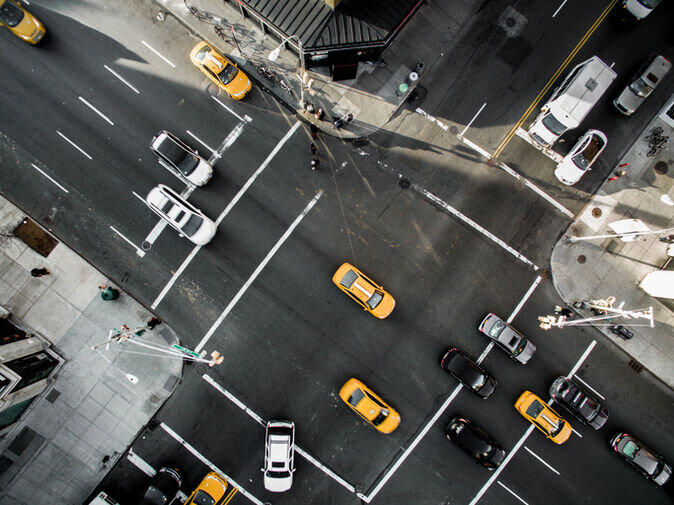
Manhattan traffic compresses vehicles into tight lanes with almost no buffer.
Many streets were built long before modern traffic volume existed, yet drivers still compete for space during rush hours. When a single vehicle stops suddenly, nearby drivers must merge immediately or risk blocking traffic behind them.
That pressure leads to rushed lane changes. Drivers glance instead of fully checking blind spots. Signals come late or not at all. Assumptions replace certainty. In this environment, side-swipe collisions become a predictable outcome.
Two vehicles drift toward the same lane at the same time, and contact happens before either driver can react. These crashes cluster near intersections, construction zones, and areas where lanes disappear quickly.
According to the New York City Department of Transportation, congestion and lane reductions increase conflict points between vehicles, especially where merges are forced rather than gradual. That design reality sets the stage for side-swipes every day.
What Counts as a Lane Change or Merge Side-Swipe Collision
A side-swipe collision occurs when two vehicles traveling in the same direction make contact along their sides during lateral movement.
One vehicle changes lanes or merges, and the other remains in its lane, or both move toward the same space at once. The damage usually runs along doors, fenders, or mirrors rather than the front or rear.
In Manhattan, these crashes often involve low speeds but high force in the wrong direction. The sideways motion twists occupants instead of pushing them straight back. That is why injuries appear even when vehicles remain drivable. Police and insurers focus less on speed and more on movement when classifying these crashes.
Because both cars are often still moving afterward, drivers sometimes feel pressure to downplay the incident. That reaction can lead to missed documentation and delayed medical care, which later complicates injury claims.
Driver Behaviors That Trigger Side-Swipe Crashes
Most lane change side-swipes come down to timing. Drivers move too early or too late, often because traffic leaves little room for hesitation. The intent may not be reckless, but the execution still creates risk.
Common behaviors include:
- Changing lanes without fully clearing blind spots
- Beginning a merge before a signal alerts nearby drivers
- Assuming another vehicle will slow or yield
- Cutting across lanes to avoid a stopped car or bus
These actions matter because fault analysis focuses on who initiated the movement and whether it was safe. Even in heavy traffic, drivers must ensure the lane is clear before shifting into it.
How Manhattan Street Design Creates Merge Conflicts
Street design plays a major role in side-swipe crashes. Many Manhattan roads force merges with little advance notice. Bus lanes end abruptly. Construction barriers shift traffic overnight. Delivery zones push moving vehicles sideways into active lanes.
Drivers often have seconds to react. When one lane disappears, several vehicles attempt to merge simultaneously. The lack of space turns small misjudgments into collisions. According to guidance from the Federal Highway Administration, short merge distances increase side-swipe risk by reducing driver reaction time.
This design pressure does not excuse unsafe lane changes, but it explains why these crashes happen so frequently in the same locations.
How Fault Is Determined in Lane Change and Merge Crashes
Fault in side-swipe crashes centers on movement. Investigators ask which vehicle changed lanes or merged and whether that movement occurred safely. Right-of-way matters, but so does execution.
Key factors include lane position, direction of travel, and the location of vehicle damage. A scrape running front to back suggests one vehicle moved into another. Damage height and angle can confirm that story. Police reports and traffic footage often clarify which driver initiated the movement.
Insurers sometimes argue shared fault simply because both vehicles were moving. That argument does not automatically apply. If one driver failed to yield while changing lanes, responsibility often follows that decision.
Evidence That Strengthens a Side-Swipe Injury Claim
Because side-swipe crashes leave subtle evidence, early documentation matters. Photos taken at the scene often provide the clearest picture of what happened.
Useful evidence includes:
- Photos showing scrape direction and panel damage
- Traffic camera footage from nearby intersections
- Witness statements from pedestrians or nearby drivers
The New York State Department of Motor Vehicles notes that accurate crash reporting helps preserve details that fade quickly. Waiting days to document damage or seek care gives insurers room to dispute causation.
Injuries Commonly Linked to Side-Swipe Collisions
Side-swipe crashes create rotational force. Your body moves sideways while seat belts restrain you forward. That mismatch strains muscles, joints, and spinal discs.
Common injuries include neck strain, shoulder damage, lower back pain, and concussions. Symptoms often appear hours or days later, not at the scene. Many people feel fine initially, only to wake up stiff or sore the next morning.
Medical evaluation documents these injuries early. That record connects the collision to your symptoms and reduces later disputes.
Final Steps After a Manhattan Side-Swipe Crash
After a side-swipe crash, small decisions make a big difference.
Take photos before vehicles move if possible. Get witness information. Seek medical care the same day, even if symptoms seem minor. Report the crash accurately and avoid speculation.
For injured drivers, guidance matters. Speaking with Manhattan car accident attorneys can help you understand fault, protect your claim, and focus on recovery.
Side-swipe crashes may look minor, but handling them correctly from the start helps prevent lasting consequences.

What Sets Us Apart From The Rest?
Horn Wright, LLP is here to help you get the results you need with a team you can trust.
-
Client-Focused ApproachWe’re a client-centered, results-oriented firm. When you work with us, you can have confidence we’ll put your best interests at the forefront of your case – it’s that simple.
-
Creative & Innovative Solutions
No two cases are the same, and neither are their solutions. Our attorneys provide creative points of view to yield exemplary results.
-
Experienced Attorneys
We have a team of trusted and respected attorneys to ensure your case is matched with the best attorney possible.
-
Driven By Justice
The core of our legal practice is our commitment to obtaining justice for those who have been wronged and need a powerful voice.