


How To Preserve Crash Video in Manhattan Stores, Buses, and Traffic Cams
Understanding Why Preserving Video Matters After a Manhattan Crash
After a car accident in Manhattan, video evidence can quietly determine how fault and credibility are viewed.
Cameras provide neutral, time-stamped detail that removes guesswork. They show vehicle position, signal timing, speed changes, and reactions that witnesses may miss. When stories conflict, video often becomes the anchor that resolves disputes.
Our Manhattan car accident attorneys regularly see cases turn on whether footage exists. Early settlement leverage, insurance evaluations, and even liability findings can change once video confirms events. Preservation protects accuracy.
It also protects you from later arguments that rely on assumptions rather than proof. Acting early gives you control over evidence that systems would otherwise erase.
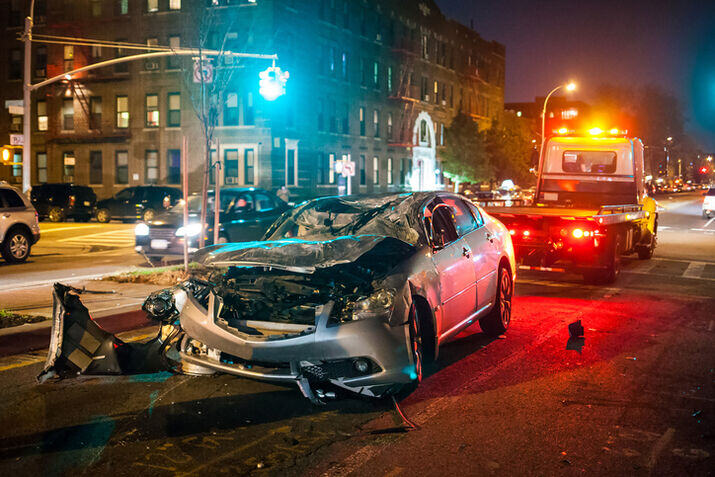
Why Crash Video Disappears Quickly After Accidents in Manhattan
Crash video disappears quickly because constant recording forces systems to reuse storage space.
Most cameras overwrite older files automatically. In Manhattan, nonstop foot and vehicle traffic accelerates this cycle. Systems prioritize current recording, not long-term storage.
Businesses rarely flag footage unless someone requests it. Transit agencies and fleets follow preset deletion schedules.
According to the New York City Department of Transportation, many city-operated cameras focus on traffic flow, not archival evidence. Once data cycles out, recovery is not realistic. Knowing this explains why delays cost evidence permanently.
Common Video Sources That May Capture a Manhattan Crash
Video sources are more widespread than most people realize.
Cameras often face sidewalks, entrances, or loading zones rather than intersections. These angles still capture vehicle movement and impact timing.
Retail storefronts, restaurants, banks, residential buildings, parking garages, and offices commonly record exteriors. Buses, taxis, rideshare vehicles, and delivery trucks frequently record forward-facing footage.
Private shuttle services and commercial fleets may record multiple angles. Identifying every possible source increases the odds that at least one camera captured the crash clearly.
How Store and Building Camera Systems Store Footage
Private camera systems usually store footage locally or on cloud servers with limited capacity. Retention periods vary based on settings and storage size. Many systems overwrite video within seven to thirty days.
Staff may not know how long footage remains available. Managers may assume footage is already gone. Without a clear preservation request, deletion continues automatically. Requests must specify date, time window, and camera location.
Precision reduces confusion and increases cooperation. Once overwritten, footage is typically unrecoverable, even with technical assistance.
Preserving Video From Buses, Taxis, and Commercial Vehicles
Commercial vehicles often record continuously to protect drivers and fleets.
Public buses, private coaches, delivery vans, and company cars may capture road-facing footage that shows braking, lane position, and impact sequence.
Control of footage rests with the operating entity. Retention policies vary widely. Some delete within days. Others retain longer but require formal requests. Written preservation notices are critical.
They alert the entity that footage relates to a legal claim and should be retained. Speed matters because fleet systems cycle rapidly.
What to Know About NYC Traffic Cameras and Public Footage
NYC traffic cameras monitor congestion and safety conditions. Many do not archive video long term. Some provide only live feeds or short retention windows. Coverage may not capture every angle of a crash.
Access often requires formal requests and strict timing. Even when available, footage may lack detail needed to show fault clearly. According to NYC Open Data, these systems prioritize monitoring over evidence preservation.
Treat traffic cameras as one potential source, not the only one, and pursue private cameras aggressively.
Immediate Steps to Take at the Crash Scene
Preservation begins with observation. You do not need to confront anyone or request footage immediately. You need to document what exists.
Scan for nearby businesses, buildings, buses, and vehicles with cameras. Note addresses, store names, bus route numbers, and vehicle markings. Take photos showing camera placement if safe. Write down the time precisely.
These details guide later preservation requests and prevent missed opportunities once you leave the scene.
How to Request and Preserve Video Properly
Effective preservation relies on written notice.
Preservation letters notify the video holder that footage relates to a legal claim and must not be destroyed. This can pause automatic deletion if sent in time.
Requests should include the exact date, time range, location, and incident description. Broad or vague requests fail more often. Verbal requests leave no record.
Written notice creates accountability and a paper trail that matters if disputes arise about missing footage later.
Mistakes That Commonly Lead to Lost Footage
Waiting is the most common mistake. People often wait until pain worsens or insurance disputes emerge. By then, footage is gone.
Another mistake is assuming police or insurers preserved video. They rarely do unless asked. Misidentifying who controls footage leads to delays.
Incomplete requests with missing times or locations reduce success. Avoiding these errors protects evidence that cannot be recreated and often determines claim strength.
What This Means for Protecting Your Manhattan Car Accident Claim
Crash video in Manhattan is temporary by default. Systems record constantly and delete automatically. Early awareness and prompt preservation protect objective proof before it disappears.
If you believe video captured your crash, speaking with our experienced legal team can help you act quickly.
Preserving footage reduces disputes, strengthens negotiations, and lets facts speak clearly while you focus on recovery instead of preventable evidence loss.

What Sets Us Apart From The Rest?
Horn Wright, LLP is here to help you get the results you need with a team you can trust.
-
Client-Focused ApproachWe’re a client-centered, results-oriented firm. When you work with us, you can have confidence we’ll put your best interests at the forefront of your case – it’s that simple.
-
Creative & Innovative Solutions
No two cases are the same, and neither are their solutions. Our attorneys provide creative points of view to yield exemplary results.
-
Experienced Attorneys
We have a team of trusted and respected attorneys to ensure your case is matched with the best attorney possible.
-
Driven By Justice
The core of our legal practice is our commitment to obtaining justice for those who have been wronged and need a powerful voice.