


What To Do After a Manhattan Crash in Bad Weather
Key Steps After a Weather-Related Accident
Driving in Manhattan during rain, snow, or icy conditions increases the risk of collisions. If you are in a crash, your first steps matter.
Prioritize safety by moving your vehicle out of traffic if possible and turning on your hazard lights. Call 911 if anyone is injured or if the crash causes significant property damage. Even in minor incidents, a police report can help support an insurance claim or legal case.
Weather-related crashes often raise questions about visibility, speed, and road conditions. You may face disputes over fault or delays in response due to city traffic. That is why having a clear record of events matters.
If you need help navigating insurance complications or legal questions, reach out to our Manhattan car accident attorneys at Horn Wright, LLP. We can protect your interests while you focus on recovery.
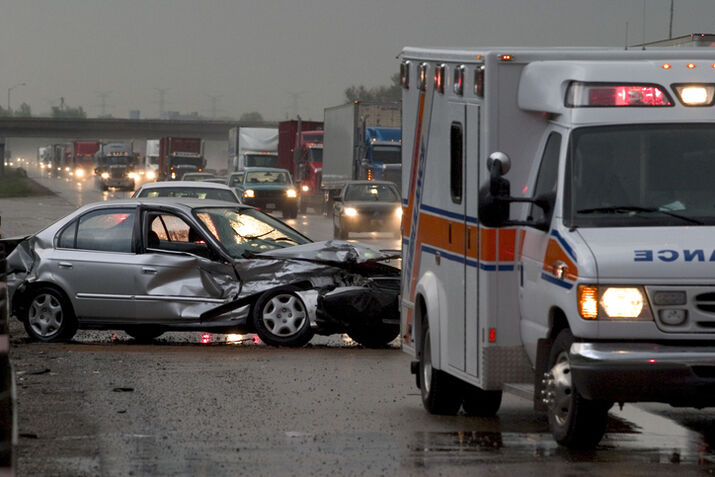
Preserving Evidence in Rain, Snow, or Fog
Wet or icy roads can quickly change how an accident unfolds. After ensuring everyone is safe, begin gathering documentation immediately. Weather can destroy key evidence fast, so time matters.
Take photos from different angles that show road conditions, vehicle damage, traffic lights, and signs. Try to capture puddles, snow banks, or icy spots that may have contributed to the crash. Include images of your car’s dashboard or warning lights if relevant.
If witnesses are nearby, ask for their contact information. They may have noticed a vehicle skidding, speeding, or driving recklessly before the crash. If the incident happened near a storefront or residential building, look for security cameras that may have captured the event.
Photos and eyewitness accounts strengthen your position when dealing with insurance adjusters or legal proceedings. Collect everything in one place so it is easy to access if needed later.
The Role of Law Enforcement in Bad Weather Crashes
NYPD officers often respond quickly to crashes in poor weather, but traffic congestion or multiple incidents can cause delays. When officers do arrive, explain the conditions clearly. Mention any reduced visibility, hydroplaning, or other hazards that affected your ability to control the vehicle.
Ask for the officer’s name and badge number and confirm how to obtain a copy of the accident report. If you are transported to the hospital, follow up to ensure your version of events is included in the report.
New York law requires a police report for crashes involving injuries or significant damage. Even if the damage seems minor, official documentation helps resolve future claims. If weather played a role in the crash, this detail should be reflected in the report.
Filing a Claim and Handling Insurance Delays
Weather-related crashes can complicate insurance claims. Companies often dispute liability when conditions make it unclear who is at fault. Be prepared for delays and follow up regularly.
Submit your claim promptly and include the police report, photos, witness statements, and repair estimates. Explain how the weather influenced the crash and emphasize that you were driving responsibly given the conditions.
Some companies may claim that bad weather shifts the blame to drivers. However, New York’s comparative fault rules allow recovery even if both parties share responsibility. If your claim is denied or delayed, contact a legal professional to assess your next steps.
Seeking Medical Attention After a Weather Crash
Even low-speed accidents in rain or snow can cause injuries. The body tenses during impact, and the stress of the crash can mask symptoms at first.
If you experience neck stiffness, back pain, headaches, or dizziness in the hours or days after a crash, seek medical attention. These may be signs of whiplash, concussion, or other soft tissue injuries.
Prompt treatment supports your health and helps create a medical record that links your condition to the crash. This is critical for insurance claims or future legal action. Waiting too long can create doubt about whether the injury came from the crash.
Tips for Photographing Weather-Damaged Vehicles
Visual documentation can make or break your case after a weather-related accident. If you are physically able, take photos before any cleanup or towing begins.
- Show the damage to your vehicle in relation to the road surface. Wet pavement or snow piles provide context.
- Include tire tracks, skid marks, or debris patterns that indicate how the accident unfolded. These details help recreate the event later.
- If a traffic sign or signal was blocked by snow or fog, photograph that obstruction. Proving visibility was impaired may reduce your share of fault.
Try to photograph your car and the other vehicle(s) from multiple angles. Include close-ups of damage and wide shots that show the whole scene. These images can clarify how and why the crash happened, especially when insurance companies question liability.
Documenting Conditions Unique to Manhattan Streets
Weather hits Manhattan differently than rural roads. Traffic density, narrow lanes, and limited drainage all create unique risks.
During storms, intersections may flood quickly, and snow can pile up near curbs, reducing lane space. These hazards often contribute to crashes but may not be obvious by the time adjusters inspect the scene.
Take photos that capture urban details like bike lanes, crosswalks, potholes, and traffic congestion. These conditions play a role in both causation and liability. If construction barriers or parked vehicles affected your path, document those too. Manhattan’s dense layout makes visual context even more important.
Why Weather Doesn’t Excuse Negligence
Drivers still owe each other a duty of care, regardless of the weather. Speeding in rain, failing to use headlights in fog, or tailgating on icy roads may be considered negligent.
New York courts will weigh whether drivers adjusted their behavior appropriately for conditions. A driver who slid on ice may still be held liable if they were traveling too fast or failed to maintain their brakes.
If the other driver’s behavior contributed to the crash, you may have a valid claim even if weather played a role. An attorney can help evaluate whether the other party failed to exercise reasonable caution.
Getting Legal Support After a Weather-Related Crash
Insurance companies often try to minimize payouts by pointing to bad weather as the cause. But that does not automatically excuse unsafe driving. If you are injured and facing pushback, a legal advocate can make a difference.
At Horn Wright, LLP, our Manhattan car accident attorneys understand how to gather the right evidence, build a strong claim, and push back against unfair denials. We focus on facts, not assumptions, and support you through every step of the process.
You do not have to figure this out alone. Schedule a complimentary consultation today and let our team help you move forward with clarity and confidence.

What Sets Us Apart From The Rest?
Horn Wright, LLP is here to help you get the results you need with a team you can trust.
-
Client-Focused ApproachWe’re a client-centered, results-oriented firm. When you work with us, you can have confidence we’ll put your best interests at the forefront of your case – it’s that simple.
-
Creative & Innovative Solutions
No two cases are the same, and neither are their solutions. Our attorneys provide creative points of view to yield exemplary results.
-
Experienced Attorneys
We have a team of trusted and respected attorneys to ensure your case is matched with the best attorney possible.
-
Driven By Justice
The core of our legal practice is our commitment to obtaining justice for those who have been wronged and need a powerful voice.