


Manhattan Uber and Lyft Accidents: Which Policy Pays?
Understanding Coverage in Rideshare Crashes
Getting injured in a car accident is hard enough. When that accident involves a rideshare vehicle, things get confusing fast. You start asking questions you never thought about: Was the app on? Whose insurance pays? How much coverage is actually available?
In Manhattan, where Uber and Lyft are everywhere, these questions come up more than you might expect. If you were hurt in a rideshare crash, you don’t have to figure it out alone. At Horn Wright, LLP, our Manhattan car accident lawyers help people understand what rights they have and how to get real compensation.
We work to hold rideshare companies and their insurers accountable. If you need answers, we’re here to help you take the next step forward.
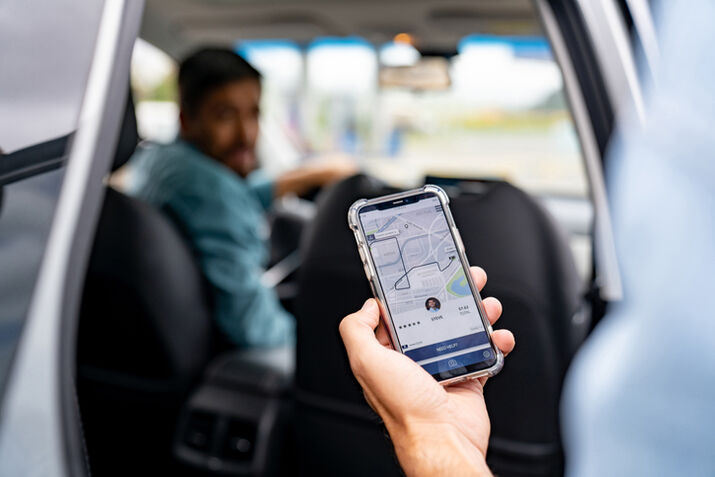
Understand How Rideshare Insurance Works in New York
Uber and Lyft drivers don’t carry traditional commercial insurance. Instead, both companies provide layered coverage that activates depending on what the driver is doing at the time of the crash. In New York, this insurance structure is governed by strict state and city rules.
When drivers use their car personally, only their own policy applies. But once they turn the app on, Uber and Lyft must provide minimum liability coverage. If the driver accepts a ride or is transporting a passenger, that’s when the full commercial policy applies.
In Manhattan, this layered coverage is critical. Streets are crowded with rideshare drivers around Columbus Circle, the East Village, and up through Washington Heights. When a crash happens, the driver’s status affects everything. That status changes the second a ride is accepted.
Determine the Driver’s Status at the Time of the Crash
Insurance coverage hinges on one key fact: what the Uber or Lyft driver was doing during the accident. There are three possibilities, and each has different consequences for your claim.
- Driver offline: If the app was off, the rideshare company provides no coverage at all. The driver’s personal insurance must cover the accident. These cases are handled like any typical crash, with limited third-party liability.
- App on, no ride accepted: Limited liability coverage applies. Uber and Lyft offer up to $75,000 for bodily injury per person, $150,000 per accident, and $25,000 for property damage. These limits are lower than full commercial policies but offer some protection.
- Ride accepted or in progress: Full commercial policy applies, with $1.25 million in liability and $1.25 million for uninsured or underinsured motorist coverage. This phase provides the highest level of protection.
Picture this: you're biking on 2nd Avenue when a rideshare vehicle swerves into your lane. Whether the app was off, active, or mid-ride determines which insurer you deal with. Each of these stages triggers a different level of coverage, and it changes everything about how your claim moves forward.
Know What Uber and Lyft Policies Actually Cover
Both Uber and Lyft maintain large commercial policies that protect passengers, drivers, and third parties. But the scope of that protection depends entirely on what phase the driver was in.
Here’s how the policies break down:
- App off: No coverage from Uber or Lyft. The driver’s personal auto policy is the only coverage available. Passengers or third parties will need to file directly with that insurer.
- App on, waiting for a ride:
- $75,000 bodily injury per person
- $150,000 per accident
- $25,000 property damage
These limits cover small to moderate crashes but may fall short in serious injury cases.
- Ride in progress (ride accepted or passenger onboard):
- $1.25 million liability
- $1.25 million uninsured or underinsured motorist coverage
- No-fault (PIP) coverage up to $50,000
These limits apply to drivers, passengers, and injured third parties during an active trip.
That $1.25 million policy becomes essential in serious accidents. A crash near Lexington Avenue that sends multiple people to the hospital could easily rack up hundreds of thousands in medical costs. The higher limits only apply once a ride is in motion or has been accepted.
Find Out Which Policy Covers Passengers in the Rideshare Vehicle
If you were riding in the Uber or Lyft when the accident happened, the rideshare company’s full insurance policy likely applies. That includes bodily injury, no-fault benefits, and protection against uninsured or underinsured drivers.
Passengers receive:
- Up to $1.25 million in liability coverage for injuries. This can apply whether the rideshare driver or another vehicle was at fault. The policy prioritizes passenger safety.
- Up to $1.25 million in UM/UIM if another driver caused the crash and lacks enough insurance. These funds are vital in hit-and-runs or collisions with minimally insured vehicles.
- Up to $50,000 in PIP benefits for medical treatment, regardless of fault. This includes ER visits, prescriptions, and transportation-related medical costs.
Say you're heading downtown near Union Square when your driver is rear-ended. You go to the ER, miss work, and need physical therapy. As a passenger, you can file directly with Uber or Lyft's insurer. These policies are supposed to act quickly, but delays still happen. Documentation and persistence help protect your rights.
Handle Accidents With Third Parties (Not a Passenger or Rideshare Driver)
Not every crash involves a rideshare passenger. Many involve pedestrians, cyclists, or other drivers struck by an Uber or Lyft vehicle. In these cases, you still need to identify the driver’s app status.
If the rideshare driver was:
- Offline, you’ll need to file a claim with their personal insurance. Rideshare companies will not intervene in these situations.
- Online, but with no ride accepted, you may be covered by the limited Uber or Lyft policy. These mid-level policies provide basic support for non-passengers.
- En route to a pickup or during a trip, you can seek compensation from the full commercial policy. This includes higher limits and stronger UM/UIM coverage.
For example, imagine a delivery cyclist heading down Houston Street gets hit by a Lyft vehicle mid-turn. If the driver was actively picking someone up, the cyclist may be covered under Lyft’s commercial plan. But if the app was just on with no ride accepted, coverage is capped and more limited.
Injury victims outside the rideshare vehicle face a longer process. They must prove the app status and get clear records from the company. Working with an attorney early can help cut through those roadblocks.
File a Claim With the Right Insurance Provider
One of the most important steps after a rideshare crash is filing your claim with the correct insurer. That means understanding the driver’s role at the moment of the accident and collecting as much documentation as possible.
Steps to take:
- Get a copy of the police report: This provides an official record of the crash and identifies the rideshare driver. Request this from the NYPD precinct that responded.
- Request screenshots: If you're a passenger, get images showing the trip in progress. This confirms coverage phase and verifies that the ride was active.
- Take photos: Capture vehicle damage, license plates, injuries, and street signs. These images support your version of events.
- Collect driver and witness info: Names, phone numbers, and app data can all help your case. Witness statements are especially useful in dense areas like Midtown.
- Report the crash to Uber or Lyft: Use their app support or online claim portal. Document the submission and follow up frequently.
If the driver was offline, you’ll need to go through their personal insurer. If the driver was online or actively driving, Uber or Lyft should step in. Either way, keep every document and log every call.
Understand When Your Own Insurance Applies
There are times when your own auto or health insurance may still come into play after a rideshare accident, even if Uber or Lyft is involved.
You may need to use your own insurance when:
- Uber or Lyft disputes their driver’s app status. If the app activity is unclear, insurers may deny or delay.
- The other driver involved had no insurance or left the scene. This could trigger your own UM/UIM coverage.
- Your injuries exceed the policy limit and additional coverage is needed. Hospital bills from facilities like Mount Sinai or NYU Langone can grow quickly.
Your personal PIP coverage may also help with smaller costs while the larger claim gets sorted. Understanding your benefits and policy limits before a crash can make a big difference.
Watch for Delays, Denials, and Liability Disputes
Even with clear coverage, rideshare accident claims don’t always go smoothly. Insurers might delay, deny, or dispute your claim to avoid large payouts. You need to stay involved and respond quickly.
Common issues include:
- Confusion over whether the app was on or off during the crash. Uber and Lyft track this but don’t always release it easily.
- Delays in confirming the driver’s status. Internal systems can slow verification, especially when third-party insurers get involved.
- Insurer blaming other drivers or minimizing your injuries. You may be offered a settlement that doesn’t cover future care or lost work.
- Settlement offers that don’t cover the full cost of your care or lost income. Early offers often miss long-term expenses.
That’s why documentation matters so much. Photos, trip records, and witness names can all help confirm your version of events. Acting quickly and staying organized gives your claim the best possible chance.
Working with a legal team experienced in rideshare crashes can also make the process less overwhelming. These cases involve multiple policies, high stakes, and lots of fine print.
Coverage Depends on the App and the Evidence
If you're involved in an Uber or Lyft crash in Manhattan, the key to getting compensated is knowing what the driver was doing at that exact moment.
Were they heading to a pickup? Were you a passenger? Was the app even on? These details decide which policy applies and how much help you can receive.
At Horn Wright, LLP, our team helps people injured in rideshare accidents find clarity and confidence. We understand how Uber and Lyft insurance works and how to hold them to their promises.
If you’re hurt and don’t know which way to turn, our Manhattan attorneys are ready to help you move forward.

What Sets Us Apart From The Rest?
Horn Wright, LLP is here to help you get the results you need with a team you can trust.
-
Client-Focused ApproachWe’re a client-centered, results-oriented firm. When you work with us, you can have confidence we’ll put your best interests at the forefront of your case – it’s that simple.
-
Creative & Innovative Solutions
No two cases are the same, and neither are their solutions. Our attorneys provide creative points of view to yield exemplary results.
-
Experienced Attorneys
We have a team of trusted and respected attorneys to ensure your case is matched with the best attorney possible.
-
Driven By Justice
The core of our legal practice is our commitment to obtaining justice for those who have been wronged and need a powerful voice.