

When To Call 911 After a Manhattan Crash
Recognizing Emergency Situations
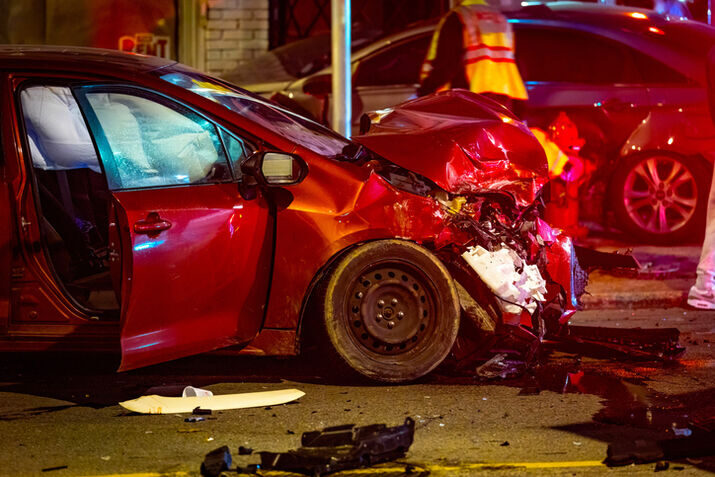
After a collision, it can be hard to know whether to call 911, especially in a fast-moving city like Manhattan. However, New York State law requires drivers to report accidents involving injury or significant property damage.
Even when injuries are not immediately obvious, it is better to err on the side of caution. Emergency services can provide medical help and create a police report that supports future insurance or legal claims.
Certain conditions always warrant a 911 call. These include situations where anyone is unconscious, bleeding heavily, or in pain. Crashes involving blocked roadways, downed traffic signals, or threats to public safety also require immediate police or fire department intervention. In these instances, waiting for emergency responders at the scene can help preserve crucial evidence.
Calling 911 ensures the right agencies respond quickly and document the scene. After calling, you should also consider speaking with our Manhattan car accident attorneys at Horn Wright, LLP. They can help you understand what to expect next and protect your rights in the days ahead.
Reporting Accidents Without Obvious Injury
Not all injuries appear at the scene. Some victims may feel fine due to shock or adrenaline, only to experience pain hours later. This is especially common with soft tissue damage or mild head trauma. By contacting 911 and requesting an ambulance, individuals ensure that medical records begin at the point of injury.
Even in minor fender benders, the police report provides a critical third-party account of what happened. Insurance companies often request this documentation before accepting liability. If no officers respond, you may need to file a report yourself at the local precinct, which can delay the claims process and create complications.
When drivers decide not to call 911, they must still exchange insurance information and report the crash to the DMV if property damage exceeds $1,000. However, skipping 911 can limit options later if the other party denies fault or if damages increase. That’s why consulting with a Manhattan car accident attorney early is always a wise step.
Responding to Crashes Involving Pedestrians or Cyclists
Accidents that involve non-drivers—like pedestrians, bicyclists, or delivery workers—require special care. These individuals are more likely to suffer serious injuries and may not have insurance to cover immediate medical costs. In New York, drivers are legally required to stay at the scene and report such incidents.
Calling 911 activates both emergency medical services and the NYPD. Officers can gather witness statements, interview both parties, and file a report that supports any future legal action. In hit-and-run cases, having police involvement from the start improves the chances of tracking down the fleeing driver.
For injured pedestrians or cyclists, a 911 call is often the first step in connecting them with medical attention. It also helps protect your legal interests as a driver. Prompt documentation creates clarity, reducing the risk of inaccurate accusations or insurance denials.
When Property Damage Alone Justifies a Call
If no one appears injured, some drivers skip calling 911. But even crashes involving property damage alone may require police response. This includes damage to parked cars, buildings, fences, and traffic signs. Manhattan’s grid leaves little room for maneuvering, so even small collisions can block lanes or create traffic hazards.
Police can direct traffic, file a report, and help facilitate information exchange. Their involvement may be necessary if the other party refuses to share insurance or attempts to leave. In situations where ownership of the damaged property is unclear, such as a storefront awning or sidewalk barrier, authorities can help determine next steps.
Without a police report, property owners may file claims that don’t reflect the actual damage. Protect yourself by involving the authorities early. The police report serves as an objective account of what occurred, which matters in any dispute or follow-up claim.
Accidents Involving Commercial or Government Vehicles
If you’re involved in a collision with a taxi, delivery van, rideshare vehicle, or government-owned car, calling 911 is essential. These crashes can introduce layers of legal complexity. Different insurance policies, regulatory requirements, and government immunities may affect how a claim proceeds.
Police presence helps document the roles of all parties, including employers. Officers can gather license details, note commercial license plates, and collect any statements from passengers. In cases involving city vehicles, the NYPD may also notify the appropriate municipal department.
Insurance claims involving commercial or public vehicles often require more extensive documentation. A 911 call ensures that official records begin at the crash site, reducing the chance of conflicting reports or delays in processing your case.
Accidents That Escalate Into Disputes
Sometimes what starts as a routine accident becomes tense. If the other party is aggressive, threatens to leave, or appears intoxicated, it is best to contact 911 immediately. Do not attempt to resolve the situation on your own if you feel unsafe.
Emergency responders are trained to de-escalate confrontations and assess sobriety. If someone refuses to provide identification or insurance, the police can intervene. Their involvement also discourages false statements later, as each party’s version is documented early.
Calling 911 protects both your safety and your legal standing. In Manhattan, where emotions run high and space is limited, it helps to have neutral authorities on hand to manage the aftermath of a crash.
What to Say When You Call
When contacting 911, be concise and factual. Start by stating your location as precisely as possible. Manhattan addresses can be specific, so include cross streets and nearby landmarks. Let the dispatcher know if anyone appears injured, if traffic is blocked, or if any vehicles are leaking fluid or on fire.
Provide your name, contact number, and the number of vehicles involved. If the crash happened near a sensitive location like a school or hospital, say so. The dispatcher may prioritize response based on risk.
Stay on the line until told to hang up. Answer follow-up questions clearly. Your calm, detailed report helps responders prepare and can influence how your incident is documented later in police or medical records.
What Happens After You Call
Once 911 is contacted, the response depends on the situation. For injury crashes, expect both NYPD officers and EMTs to arrive. They will assess medical needs, guide traffic if needed, and begin an official accident report.
Drivers may be asked for license, registration, and insurance information. If you’re unable to provide it due to injury, responders will note this. Witnesses may be interviewed and given contact forms. The scene will be photographed and, if necessary, vehicles may be impounded.
Always request the police report number before leaving the scene. This document becomes the foundation for insurance claims and any legal action. If you later develop symptoms or discover more damage, having called 911 ensures your initial response is properly recorded.
Staying Prepared and Protected on Manhattan Streets
Calling 911 after a crash is not just a legal requirement in many cases. It’s a practical step to protect your health, rights, and future claims.
Whether you're dealing with a minor accident or a complex multi-vehicle collision, involving trained professionals helps establish a clear record from the start.
If you’re unsure about what to do after a crash, or if you've already left the scene and have concerns, contact our car accident attorneys at Horn Wright, LLP.
We guide you through every step of the process, from filing reports to resolving insurance disputes and securing rightful compensation.

What Sets Us Apart From The Rest?
Horn Wright, LLP is here to help you get the results you need with a team you can trust.
-
Client-Focused ApproachWe’re a client-centered, results-oriented firm. When you work with us, you can have confidence we’ll put your best interests at the forefront of your case – it’s that simple.
-
Creative & Innovative Solutions
No two cases are the same, and neither are their solutions. Our attorneys provide creative points of view to yield exemplary results.
-
Experienced Attorneys
We have a team of trusted and respected attorneys to ensure your case is matched with the best attorney possible.
-
Driven By Justice
The core of our legal practice is our commitment to obtaining justice for those who have been wronged and need a powerful voice.