


What To Do If the Other Driver Flees in Manhattan: Hit-and-Run Steps
Key Steps to Take After a Hit-and-Run Crash
A hit-and-run accident in Manhattan can leave you disoriented and unsure of what to do next. Whether you’re on a busy avenue or a side street, quick thinking can make a difference in protecting your health, rights, and future recovery.
While it may be tempting to chase the fleeing driver, staying at the scene is essential. Calling 911, documenting the damage, and gathering witness information are all steps that support your claim and safety.
If you or someone you love was hurt in a hit-and-run collision, speak with our experienced Manhattan car accident lawyers at Horn Wright, LLP. Our team can help identify your legal options, preserve key evidence, and pursue compensation through insurance or legal channels.
Prioritize Safety and Medical Attention
Your immediate focus after a crash should be safety. Move out of active lanes of traffic if you are able to do so without injury.
Turn on hazard lights to alert other drivers, especially in poorly lit or high-traffic areas of Manhattan. If you or any passengers feel pain or are visibly injured, do not wait to call for emergency assistance.
Sometimes injuries take time to show symptoms. Even if you feel fine, being evaluated by EMS or going to the hospital can document potential trauma for future claims.
Whiplash, concussions, and soft tissue damage are common in rear-end or side-impact collisions where the at-fault driver flees the scene. Prompt care protects both your health and the viability of your personal injury claim.
Additionally, make note of your location, time of day, and any nearby landmarks. This information helps emergency responders find you quickly and supports your documentation efforts later.
Report the Incident to Police
Calling 911 is required in hit-and-run cases that result in injury or significant property damage.
In New York, drivers must report these accidents under state law, and failing to do so can affect insurance coverage or legal rights. Provide a clear summary of what happened to the 911 operator, and stay at the scene until officers arrive.
Once law enforcement is on-site, answer their questions truthfully and stick to the facts. If you recall anything about the fleeing vehicle, share that information—make, model, color, partial plate numbers, or direction of travel.
Officers will use this data to file the official crash report, which becomes vital if you later pursue a claim under your uninsured motorist coverage or seek recovery through legal action.
Request the responding officer’s name and badge number. Once the NYPD report becomes available, review it for accuracy and ask for corrections if necessary.
Document the Scene Immediately
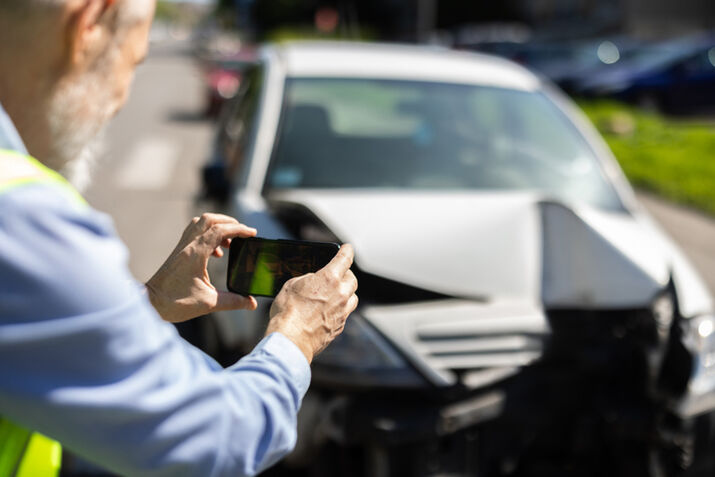
In a hit-and-run crash, you may only have a few minutes to capture evidence. Use your phone to take clear photos of:
- Vehicle damage: Photograph all visible damage, even if minor. Multiple angles help establish the severity of the crash.
- Roadway conditions: Document skid marks, debris, or fluid spills. These elements support accident reconstruction.
- The surrounding area: Include signs, traffic signals, or any city cameras that may have recorded the event. Storefronts or intersections may also have security footage.
If any witnesses stop to help, ask for their names and contact information. Independent accounts can support your version of events, especially if the fleeing driver is later identified. Write down your recollection of the crash while it’s fresh. Details fade quickly, so a few notes taken immediately can be useful during insurance negotiations or in court.
Notify Your Insurance Carrier
As soon as you are safe and have spoken to the police, contact your insurance company. Most policies require timely notice of an accident, and delays can limit your coverage options. Report that it was a hit-and-run and explain what steps you’ve taken so far.
Even if the other driver is never identified, your uninsured motorist (UM) coverage may help cover:
- Medical expenses
- Lost wages due to injury
- Damage to your vehicle
Some carriers also offer uninsured motorist property damage (UMPD), though it may not be included automatically in your policy. Ask your agent what applies in your case. If you later file a personal injury protection (PIP) claim or seek additional compensation, documentation from this early report will support your case.
Work with a Lawyer on Hit-and-Run Claims
Hit-and-run accidents often require deeper investigation and insurance navigation. Working with an attorney can help you:
- Track down additional evidence: Your lawyer may request video footage, subpoena traffic cam data, or interview witnesses.
- Handle insurance denials: If your insurer resists covering the claim, legal support can push back effectively.
- Pursue other recovery options: If the fleeing driver is found, you may be able to pursue a civil claim for damages.
Our car accident lawyers understand how local laws and urban traffic patterns affect hit-and-run cases. We work quickly to gather evidence, deal with insurers, and fight for the compensation you need to recover.
Preserve Records for Insurance and Legal Use
From the moment the crash occurs, start collecting and organizing your documents. Keep digital and physical copies of:
- Medical records and hospital bills
- Vehicle repair estimates
- Communications with your insurance company
- The NYPD crash report
Include receipts for any rideshares, tows, or temporary transportation. Your recordkeeping shows the real costs of the crash and strengthens your position in settlement talks. If you miss work due to injuries or doctor appointments, track those days and keep related documentation from your employer.
Some crash victims find it helpful to maintain a recovery journal. Document how your injuries affect daily life, including pain levels, sleep disruption, or lost mobility. These notes can support your non-economic damages claim.
Follow Up with Law Enforcement
In hit-and-run cases, police may not immediately identify the fleeing driver. However, following up with the investigating officer can yield updates. They may receive tips, obtain security footage, or match partial license plates.
Check in within a week or two of the crash to see if any new leads have developed. If you later hire an attorney, they can handle this communication and push for more investigation when needed. Sharing any new information you gather—like a witness who came forward later—can help authorities build a stronger case.
It’s important to remain realistic. Many hit-and-run drivers are not caught, particularly if the crash occurs in a crowded area with limited visibility. That’s why securing compensation through your insurance is often a key step.
Understand Statute of Limitations and Timeframes
In New York, strict deadlines apply to hit-and-run accident claims. For personal injury cases, you typically have three years from the date of the crash to file a lawsuit. However, insurance deadlines can be much shorter.
Your policy may require you to report a hit-and-run within 24 to 72 hours. No-fault (PIP) claims must often be filed within 30 days. Missing these windows can lead to denials, so review your policy carefully and act promptly.
When a government vehicle or entity is involved, you may need to file a Notice of Claim within 90 days. These procedures are complex, and an experienced attorney can help ensure you meet every requirement.
Support and Legal Options After a Crash
Hit-and-run accidents create financial and emotional strain.
Victims often feel powerless, especially when the other driver vanishes. But with careful action and timely support, it’s possible to protect your interests and pursue fair compensation.
Working with a lawyer who knows Manhattan streets, police processes, and insurance tactics gives you a stronger footing.
Whether you’re recovering from injuries or facing car repairs and missed work, professional legal guidance can make a meaningful difference in the outcome.
Taking Action in the Aftermath of a Hit-and-Run
If you or someone you care about was injured in a hit-and-run crash in Manhattan, don’t wait to seek help. Timely action protects your health, preserves evidence, and strengthens your legal claim.
Call our Manhattan car accident attorneys at Horn Wright, LLP, for a complimentary consultation. We work quickly to investigate the crash, coordinate with your insurance provider, and advocate for full compensation.

What Sets Us Apart From The Rest?
Horn Wright, LLP is here to help you get the results you need with a team you can trust.
-
Client-Focused ApproachWe’re a client-centered, results-oriented firm. When you work with us, you can have confidence we’ll put your best interests at the forefront of your case – it’s that simple.
-
Creative & Innovative Solutions
No two cases are the same, and neither are their solutions. Our attorneys provide creative points of view to yield exemplary results.
-
Experienced Attorneys
We have a team of trusted and respected attorneys to ensure your case is matched with the best attorney possible.
-
Driven By Justice
The core of our legal practice is our commitment to obtaining justice for those who have been wronged and need a powerful voice.