


MVAIC Claims in Manhattan: Uninsured Hit and Run Options
Your Options After a Hit-and-Run or Uninsured Driver Crash
After an accident with a hit-and-run or uninsured driver, the confusion kicks in fast. You're left with injuries, unanswered questions, and bills you didn't ask for.
In Manhattan, where traffic never slows and not everyone follows the rules, these crashes happen more often than most people realize. The good news? Even if the other driver vanishes or lacks insurance, you may still have a way forward.
The Motor Vehicle Accident Indemnification Corporation (MVAIC) was built to help people just like you. At Horn Wright, LLP, our Manhattan car accident lawyers know how to work with MVAIC and fight for fair compensation. If you’re stuck and don’t know where to turn, we're ready to take the pressure off your shoulders.
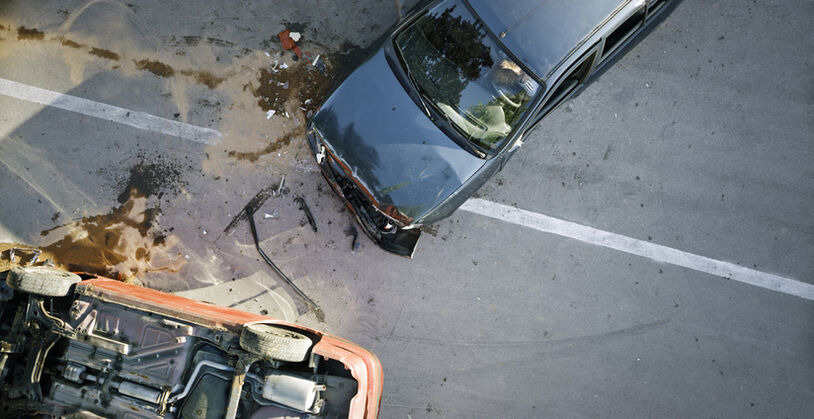
Know What MVAIC Is and Why It Exists
The Motor Vehicle Accident Indemnification Corporation, or MVAIC, exists to help New Yorkers who are injured in car crashes involving uninsured or unknown drivers. It's a special program backed by state law that acts as a safety net when no auto insurance policy covers the injury.
Manhattan’s streets are busy. Pedestrians step into traffic between parked cars. Cyclists zip through lanes. Some drivers flee after causing a crash. Others never carried insurance to begin with. In those moments, the victims can’t always fall back on a standard policy. It’s MVAIC that steps in.
MVAIC can offer basic coverage to:
- Pedestrians and bicyclists hit by unknown or uninsured drivers. These accidents are common in high-traffic areas and often involve serious injuries. MVAIC provides a starting point for financial recovery.
- Passengers injured in uninsured vehicles. If you’re riding in a car that turns out to be uninsured, you may still have protection through MVAIC. Your claim depends on where you live and what other coverage exists.
- Drivers of uninsured vehicles, under limited conditions. If you meet strict eligibility standards, MVAIC can step in. But this is rare and reviewed closely.
Without MVAIC, many of these people would have no option to recover medical costs, lost wages, or other accident-related expenses. It’s essential for people left without insurance support.
Identify Who Can File an MVAIC Claim
Not everyone qualifies for an MVAIC claim. The program is strict about eligibility. But if you meet the criteria, it can provide real help when nothing else does.
To file, you must:
- Be a resident of New York State at the time of the crash. You’ll need to show proof of your current address and legal status within the state. This is a requirement for every applicant.
- Be involved in an accident that occurred within New York State. MVAIC only covers incidents that happen in New York. Crashes outside the state fall under different systems.
- Have no other available auto insurance, either personally or through a household member. MVAIC looks at every potential policy, even those belonging to roommates or family.
Let’s say you’re a pedestrian walking home near East Village, and a car runs a red light, hits you, and speeds off. If you don’t own a car and don’t live with someone who does, you could be eligible. If you’re a delivery cyclist in Upper Manhattan and get sideswiped by a vehicle that disappears, MVAIC may be your only recourse.
Keep in mind, MVAIC does not work for out-of-state residents injured in New York. And if you or someone in your household has a valid auto policy, that must be used first. The program is built strictly for those who truly have no other option.
Understand What MVAIC Covers
MVAIC doesn’t provide limitless coverage. It offers essential benefits similar to what a basic auto policy would offer under New York law. These benefits include coverage for medical expenses, lost wages, and sometimes, compensation for serious injuries or wrongful death.
Here’s what MVAIC may cover:
- No-Fault Benefits: Up to $50,000 for medical bills, lost earnings, and essential services, paid regardless of fault. This can help cover emergency care and rehabilitation.
- Bodily Injury Liability: Up to $25,000 per person ($50,000 per accident) for pain and suffering, if injuries meet the “serious injury” threshold. You must prove that your injuries fall outside of basic no-fault.
- Death Benefits: Up to $50,000 available to eligible surviving family members. This helps families manage funeral costs and financial losses from the accident.
So if you suffer a concussion, broken bones, or long-term disability, MVAIC could step in where no insurer will. If someone loses their life in a hit-and-run on 10th Avenue, their family may be able to file a wrongful death claim through the program.
Follow the Reporting Deadlines Carefully
Time matters when filing an MVAIC claim. Missing a deadline could stop your claim before it starts. The process begins immediately after the accident.
You need to:
- Report the crash to the NYPD within 24 hours of the accident, especially for hit-and-runs. A police report is a core part of your case file.
- Submit a Notice of Intention to file with MVAIC within 90 days. This form must be filled out correctly and in full.
- Send your medical treatment documentation within 180 days of the crash if you’re pursuing No-Fault benefits. Delays may disqualify you.
Manhattan's traffic chaos can make it hard to track everything down, but these timelines aren’t flexible. Whether your accident happened near Columbus Circle or in Chinatown, you must report the crash as soon as possible. That police report becomes your starting point.
File a Claim with MVAIC Step-by-Step
Once you confirm eligibility, you’ll need to complete the process of filing your MVAIC claim. This requires gathering documents, meeting deadlines, and cooperating with MVAIC’s requests.
Steps include:
- Collect documentation: You’ll need a police report, medical records, proof of income, identification, and any witness statements you can gather. The more thorough your file, the better your chance of approval.
- Submit your NOI: This form is essential. MVAIC won’t consider your claim until this step is complete and timely. Incomplete or vague forms can delay review.
- Cooperate with MVAIC: They may ask for more records, interviews, or sworn statements. These requests are standard and help verify your claim. Respond promptly and document your communication.
In Manhattan, it can take time to get a copy of a police report from local precincts, so start early. If you received care at NewYork-Presbyterian or Bellevue Hospital, request your full treatment records. MVAIC needs a clear picture of what happened and how it affected you.
Prove You Have No Other Insurance
A major step in every MVAIC case is proving that you don’t have another insurance option. MVAIC exists only for those who lack coverage, so this part matters.
You must:
- List all licensed drivers living in your household. MVAIC will ask for this information during intake.
- Disclose whether anyone owns a vehicle or carries auto insurance. Policies from other household members may affect your eligibility.
- Provide supporting documents to back up your statement. That includes affidavits, proof of address, and DMV records.
Let’s say you’re hit in Washington Heights, and you don’t drive. But your roommate owns a car and has insurance. MVAIC will check if that policy covers you before approving your claim. Even if you didn’t know you were listed as a household driver, that policy could count.
Failing to disclose this information could result in your claim being denied or revoked. Honesty and clarity make all the difference. If MVAIC suspects you’re hiding coverage or leaving out household members, the review process will become much tougher.
Navigate Special Cases Like Non-Resident Drivers or Rideshare Accidents
Manhattan roads host more than just local drivers. Out-of-towners, app-based drivers, and tourists are everywhere. MVAIC may apply in some of these complex cases, but there are added steps.
If you’re a non-resident hit in Manhattan, you may not qualify unless specific exceptions apply. Generally, the program covers New York State residents. But if the crash involved a New York-registered vehicle that was uninsured, exceptions exist. Your eligibility will depend on the specific details of your situation.
If you’re a rideshare passenger, your first option is to file against the Uber or Lyft insurance policy. These companies carry high-limit liability coverage for active rides. If that coverage doesn’t apply, or the driver was logged off at the time, you might be able to turn to MVAIC, depending on your own status.
Undocumented immigrants may also qualify for MVAIC, regardless of their legal status. As long as they meet the residency and injury requirements, the program does not exclude them based on immigration.
These situations require careful review. If you’re unsure where to turn after an unusual crash, getting guidance right away can help clarify your options.
Know What Happens If MVAIC Denies Your Claim
Not every MVAIC claim gets approved. Denials happen when rules aren’t followed, forms are incomplete, or eligibility requirements aren’t met. It’s frustrating, but not always the end.
Reasons for denial include:
- Missing the 90-day filing deadline. MVAIC has no flexibility once this window closes. You need to submit your NOI within that timeframe.
- Failing to report the crash to police within 24 hours. The police report is mandatory for verification.
- Evidence showing you had access to other insurance. If another policy exists, MVAIC won’t apply.
- Inconsistent or incorrect information. Discrepancies between documents can cause delays or denials.
If you receive a denial, you have the right to appeal. That means collecting additional documents, explaining your situation clearly, and sometimes attending hearings or giving a statement. Persistence often helps.
In close cases, legal representation can make a difference. An experienced lawyer can help build a stronger case, fix paperwork errors, and keep your timeline on track. At Horn Wright, LLP, our attorneys have handled MVAIC claims from every angle, and we know how to respond when things go wrong.
Act Fast, Protect Your Rights
Getting hurt in a hit-and-run or by an uninsured driver is already hard enough. But not knowing how to get help makes things worse. MVAIC exists to give New Yorkers in your position a fair shot at recovery. It’s not always simple, but it’s possible. The key is acting fast. Report the accident, file your forms, and gather your records without delay.
At Horn Wright, LLP, we guide Manhattan residents through MVAIC claims with care and clarity. If you're overwhelmed or unsure, you don’t have to go through it alone. Our team is here to help you take control and move forward.

What Sets Us Apart From The Rest?
Horn Wright, LLP is here to help you get the results you need with a team you can trust.
-
Client-Focused ApproachWe’re a client-centered, results-oriented firm. When you work with us, you can have confidence we’ll put your best interests at the forefront of your case – it’s that simple.
-
Creative & Innovative Solutions
No two cases are the same, and neither are their solutions. Our attorneys provide creative points of view to yield exemplary results.
-
Experienced Attorneys
We have a team of trusted and respected attorneys to ensure your case is matched with the best attorney possible.
-
Driven By Justice
The core of our legal practice is our commitment to obtaining justice for those who have been wronged and need a powerful voice.