


How To Document a Manhattan Crash Scene: Photos, Video, Witnesses
Your Crash Scene Checklist
Documenting a crash scene in Manhattan involves more than snapping a few quick photos. In a dense city with constant traffic, noise, and distractions, gathering accurate, detailed evidence can make or break your claim.
From photographs to witness statements, every piece of documentation strengthens your position when filing an insurance claim or pursuing legal action.
If you've been involved in a vehicle collision in Manhattan, reach out to our dedicated Manhattan car accident attorneys at Horn Wright, LLP, to protect your rights from the start.
Prioritize Safety Before Documentation Begins
Before collecting any evidence, make sure the scene is safe. Your first responsibility is to move to a safe location if possible and assess whether anyone needs medical attention. Only begin documenting once the immediate danger has passed.
If you can remain at the scene safely, start by turning on hazard lights and setting up flares or warning triangles if available. This step is especially important in high-traffic Manhattan intersections or during nighttime hours.
Always notify 911 if someone appears injured or property damage is significant. While waiting for authorities to arrive, use the time to start gathering visual and written records that support your account.
Keep in mind that your safety and that of others takes precedence. Avoid stepping into traffic to take photos or collect evidence. Document what you can without putting yourself at further risk.
Capture Comprehensive Photos from All Angles
Photographic evidence often serves as the clearest record of what occurred. Cell phones make this easy, but the key is knowing what to focus on and how to frame the scene.
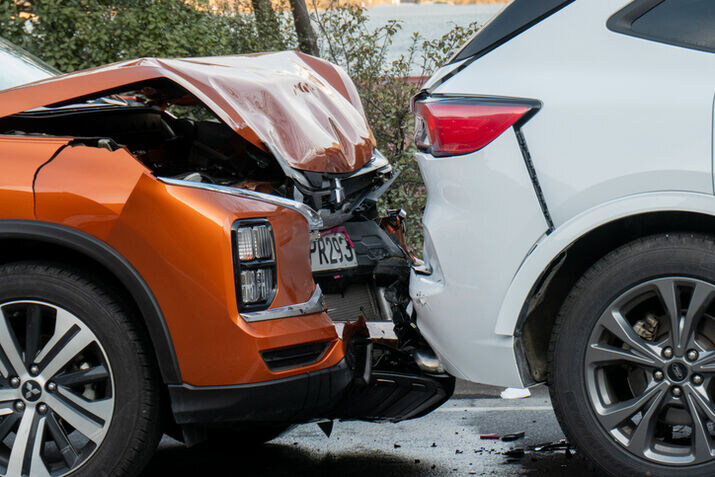
Start by taking wide shots of the entire scene, including the positions of vehicles relative to street signs, intersections, and traffic signals. Then, capture close-up images of vehicle damage, license plates, broken glass, or skid marks. Be sure to photograph traffic signs, road conditions, and any debris that may have contributed to the crash.
Lighting matters. Use your flash if it’s dark or overcast. Include timestamped photos if your phone supports this feature, and avoid using filters that alter image clarity. If any storefronts, construction sites, or traffic cameras are nearby, include them in your photos, as they may have recorded footage that could become useful later.
Record Video to Show Movement and Sound
Still photos offer detail, but video adds context. Recording a walkthrough of the crash scene allows you to capture movement, sound, and the general atmosphere right after the event.
Narrate what you’re filming to provide real-time commentary. For example, describe the direction you were traveling, what you saw just before the crash, and how the vehicles came to rest. If traffic is heavy or tensions are high, video can also document any confrontations or statements made at the scene.
Be discreet when filming others. Avoid capturing faces unless they consent, but do document vehicle interactions or road behavior that may have contributed to the accident. Video that shows blinking signals, honking, or nearby construction noise can help clarify distractions or hazards present at the time.
Collect Witness Information Quickly
In busy areas of Manhattan, witnesses often leave quickly unless approached right away. If anyone stopped to help or saw the crash unfold, ask for their name, phone number, and a short statement if they’re willing.
Let them know that their observations may be valuable for insurance or legal purposes. Many people are hesitant to get involved, but a neutral third party can be key in contested cases. If they don’t want to write a statement, jot down what they told you and note the time and location.
Do not coach or prompt witnesses. Just ask what they saw and record their answers as accurately as possible. Even a short statement about the light signal or which car entered the intersection first can make a difference.
Request Surveillance or Traffic Cam Footage
Many parts of Manhattan are covered by NYPD surveillance, private security systems, and traffic cameras. After documenting the scene, check whether any nearby buildings, parking lots, or intersections have visible cameras.
Note the location and time of the crash. If police arrive, ask them to record the presence of cameras in their report. If they don’t, you can still request footage on your own or through your attorney. Most businesses only keep video for a limited period, so timing is crucial.
In cases involving injury or disputed liability, footage from these sources can corroborate your version of events. A Manhattan car accident lawyer can submit a formal preservation letter to ensure video evidence is not deleted.
Note Road Conditions and Environmental Factors
A complete crash scene record includes more than what happened—it captures the setting. Manhattan’s road conditions change constantly, especially in bad weather or during city maintenance projects.
Write down whether the pavement was wet, icy, or obstructed. Look for signs of road work, potholes, or loose gravel. If weather played a role, describe visibility, lighting, and temperature.
Environmental details help establish whether a hazard outside of your control contributed to the accident. Photos and notes about surroundings, such as trees blocking a stop sign or shadows obscuring the road, can be persuasive when negotiating with insurance adjusters or in court.
Keep a Written Timeline of Events
In the hours after a crash, adrenaline and stress can cloud your memory. Write down a timeline as soon as possible to record your observations, actions, and conversations.
Start with what you were doing just before the crash and continue through the police response and any medical treatment. Include exact times, names of people you spoke with, and details like whether you exchanged insurance information.
This written account supplements visual evidence and can help correct inaccuracies in the police report. It also becomes a valuable reference if your case takes months to resolve.
Organize and Preserve All Documentation
Once you’ve gathered evidence, store it securely. Create a digital folder that includes:
- Photos and videos from the crash scene. These visual records provide the strongest proof of the damage and conditions at the time of the accident. Save high-resolution versions and create backup copies.
- Written witness statements and your own notes. These help capture real-time recollections before memory fades and ensure your story stays consistent.
- A copy of the police report or complaint number. Having this report on file helps when filing claims or disputes. It can also support legal proceedings.
- Copies of medical records and receipts. Any treatment, even same-day urgent care, should be documented for future reimbursement or personal injury claims. Track all out-of-pocket expenses.
Keep this information in one location so your legal team can access it quickly. If you’re unsure what to save, your attorney can help you determine what might be relevant.
Consult an Attorney if Disputes Arise
Even with thorough documentation, disputes about fault or damages can arise. Insurance companies may interpret the evidence differently, or the other driver may provide an opposing account.
If your injuries are serious or the insurance process becomes difficult, contact an experienced Manhattan car accident attorney. Your legal team can help interpret the crash scene evidence, deal with insurers, and present your case if litigation becomes necessary.
At Horn Wright, LLP, we help Manhattan drivers build strong claims backed by evidence. From camera footage to eyewitness accounts, we know how to turn documentation into results. Let us help you protect your rights and pursue fair compensation.
Taking the Right First Steps Matters
Thorough crash scene documentation sets the foundation for a strong personal injury or insurance claim.
Whether you use photos, videos, witness statements, or written notes, every piece of information adds to the accuracy and strength of your case.
For help protecting your rights after a car accident in Manhattan, contact our legal team at Horn Wright, LLP. We know how to use the evidence you gather to pursue compensation and resolve disputes.

What Sets Us Apart From The Rest?
Horn Wright, LLP is here to help you get the results you need with a team you can trust.
-
Client-Focused ApproachWe’re a client-centered, results-oriented firm. When you work with us, you can have confidence we’ll put your best interests at the forefront of your case – it’s that simple.
-
Creative & Innovative Solutions
No two cases are the same, and neither are their solutions. Our attorneys provide creative points of view to yield exemplary results.
-
Experienced Attorneys
We have a team of trusted and respected attorneys to ensure your case is matched with the best attorney possible.
-
Driven By Justice
The core of our legal practice is our commitment to obtaining justice for those who have been wronged and need a powerful voice.