


Manhattan Speeding Crashes: Proving Negligence
Understanding Civil Liability After a Speeding Crash
Speeding isn’t a small mistake. In Manhattan’s dense traffic and crowded pedestrian zones, it’s a dangerous act that puts lives at risk every hour.
Crashes caused by excessive speed often leave behind more than just crushed metal. They leave serious injuries, lost work, and heavy emotional trauma. If you’ve been hit by a speeding driver, you may feel like no one is listening. You may not even know where to start.
At Horn Wright, LLP, we help injured New Yorkers bring civil claims against reckless drivers. Our Manhattan car accident attorneys understand how fast-moving vehicles can ruin lives in a moment. We can guide you through the process of proving fault and recovering compensation so you can focus on healing.
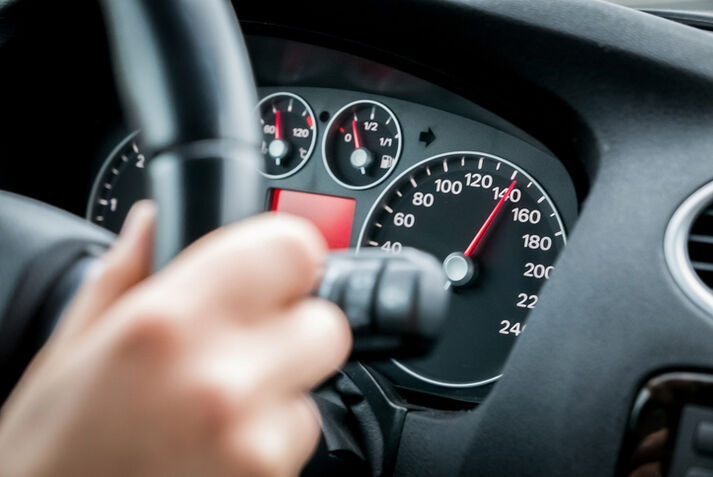
Why Speeding Creates Civil Liability
When drivers exceed the speed limit or go too fast for road conditions, they increase their stopping distance and reduce their reaction time. That makes it easier to lose control and harder to avoid pedestrians, cyclists, and other vehicles. In busy Manhattan intersections, the risks multiply.
Under New York civil law, every driver has a duty to operate their vehicle safely. Speeding is a breach of that duty. If that breach directly causes someone harm, it qualifies as negligence. The person injured by that negligence has the right to bring a civil claim.
Many speeding crashes happen near known trouble spots like Canal Street, the West Side Highway, or near the entrance to the FDR Drive. When speeds rise and streets narrow, the margin for error disappears. A car going 40 mph in a 25-mph zone might seem harmless, but the consequences are often severe when it hits someone in a crosswalk.
How to Prove a Driver Was Speeding
Speeding drivers don’t always admit fault. They might claim they were going with the flow of traffic or blame the weather. That’s why proving their speed is one of the most important steps in any civil case.
Key evidence that helps show a driver exceeded a safe speed includes:
- Skid marks and crash damage: Investigators use these details to calculate speed. The length and angle of the marks help pinpoint how fast the car was moving.
- Witness statements: Passengers, pedestrians, or nearby drivers may describe reckless driving. Their accounts can provide context about the driver’s behavior just before the crash.
- Vehicle data: Modern cars often have black boxes that log speed and braking before impact. These electronic records offer unbiased facts to support your claim.
- Surveillance video: Cameras on businesses or intersections can show how fast a car moved. Video footage can also verify light changes and lane behavior.
- NYPD reports: Police observations at the scene may include speed estimates or citations. These notes may strengthen your position when insurance companies push back.
In high-traffic areas like Columbus Circle or SoHo, many intersections are already covered by cameras. Acting quickly to preserve that footage can make or break your case. Our firm helps clients identify these resources and requests them before they are erased.
What Comparative Fault Means for Speeding Crashes
New York follows a pure comparative fault system. That means more than one person can be held partially responsible for a crash, and your compensation is reduced based on your share of the fault.
So, if a jury finds that you were 20% responsible for your injuries but the other driver was 80% at fault for speeding, you can still recover 80% of your total damages. This system helps ensure fairness, especially in cases where speeding wasn’t the only factor.
Let’s say you crossed a street outside a crosswalk, and the driver was going twice the speed limit. Even though you may share a small portion of the blame, the driver’s excessive speed could still outweigh everything else. That means you still have a case worth pursuing.
Insurers often try to overemphasize your share of fault. That’s why building a strong case with early evidence and a clear timeline matters so much. Our team fights to keep the focus on what really caused the crash.
When Experts Help Prove Speed in a Crash
Some crashes require more than pictures and witness statements. That’s where accident reconstruction experts come in. These specialists review physical evidence, data from the vehicles, and scene measurements to estimate speed and impact.
They may examine:
- The distance the vehicle traveled after braking: This helps determine how quickly the driver reacted.
- The weight and stopping capability of each vehicle: Larger vehicles take longer to stop and can cause more severe damage.
- Road conditions like slope or moisture: These elements influence skid patterns and control.
In high-value claims, expert testimony can explain complex physics in plain terms. That helps judges or juries understand why a crash occurred and how fast the at-fault driver was going. Our firm works with trusted engineers and investigators to strengthen these claims and counter disputes raised by insurance companies.
Even when the police don’t charge the driver with a traffic crime, expert analysis can still show civil negligence. That distinction often matters most in personal injury cases.
Speeding in the Manhattan Street Grid
Speeding in Manhattan doesn’t look like speeding on an open highway. Instead, it happens in short bursts—rushing through yellow lights, weaving between lanes, or tailgating along crowded avenues. These behaviors still count as negligent speed.
In neighborhoods like the Upper East Side or Union Square, where pedestrian and bike traffic stay high year-round, a car moving 10 mph too fast can turn a routine drive into a catastrophic crash. Because many streets are one-way with frequent signals, even slight speeding often leads to dangerous misjudgments.
Common patterns include drivers accelerating through short blocks to beat lights, speeding delivery vehicles on side streets, or cars rushing to make turns through crosswalks. These actions may seem minor but create a serious hazard in dense urban traffic.
Injury claims in these areas often depend on proving that the driver’s speed was unreasonable for the surroundings. Our job is to make that clear using physical evidence, testimony, and expert interpretation.
What to Do After a Speed-Related Crash in Manhattan
In the aftermath of a crash, your priority should be your safety and your legal protection. If you believe speed played a role in the collision, take these steps as soon as possible:
Call 911 and report the crash immediately. Tell officers if you suspect speeding. Emergency responders can document scene details that support your claim. Get medical attention, even if you feel fine. Some injuries appear hours later and require documentation for compensation.
Take photos of skid marks, street signs, damage, and debris. These images preserve evidence before the street is cleared. Get witness contact info if anyone nearby saw the crash. Their statements may support your version of events.
Request surveillance footage from stores, apartment buildings, or city cameras. This footage is often deleted within days.
The NYPD will file an accident report, which often includes key observations that help establish speed or reckless behavior.
Waiting too long can lead to missing evidence. Our firm acts quickly to preserve everything needed to build a strong case.
The Civil Claim Process for Speeding Injuries
Bringing a claim against a speeding driver follows a clear timeline, but it requires planning. After the crash, you’ll file a report and seek care. Then, you or your attorney will gather records and reach out to the driver’s insurance company.
If a fair settlement isn’t offered, the next steps involve:
- Filing a civil complaint in Manhattan Supreme Court: This document outlines your allegations and legal claims.
- Serving the defendant and beginning the discovery process: The other party is formally notified and both sides exchange evidence.
- Sharing documents, photos, expert opinions, and depositions: These materials help build a case for settlement or trial.
- Attempting mediation or pre-trial negotiation: You may reach a resolution before trial through structured talks.
- Proceeding to trial if no agreement is reached: A judge or jury decides the outcome if settlement fails.
Many cases settle before trial, especially when speed is clearly documented. But preparation for court often leads to stronger settlement offers. We help clients build claims that stand up in court. That preparation often means the difference between lowball offers and real compensation.
Why Proving Speeding Matters So Much
Speed-related crashes happen fast, but their consequences last. Victims may suffer broken bones, brain injuries, or lasting trauma. Proving that speed caused the crash helps make sure the person responsible is held accountable—not just by police, but financially through the civil courts.
At Horn Wright, LLP, we help injured New Yorkers build solid claims against speeding drivers. When you’re ready, we’re here to investigate, gather evidence, and pursue justice on your behalf.

What Sets Us Apart From The Rest?
Horn Wright, LLP is here to help you get the results you need with a team you can trust.
-
Client-Focused ApproachWe’re a client-centered, results-oriented firm. When you work with us, you can have confidence we’ll put your best interests at the forefront of your case – it’s that simple.
-
Creative & Innovative Solutions
No two cases are the same, and neither are their solutions. Our attorneys provide creative points of view to yield exemplary results.
-
Experienced Attorneys
We have a team of trusted and respected attorneys to ensure your case is matched with the best attorney possible.
-
Driven By Justice
The core of our legal practice is our commitment to obtaining justice for those who have been wronged and need a powerful voice.