


Broken Bone Injuries From Manhattan Car Crashes Settlement Factors
Understanding Broken Bone Injuries After Manhattan Car Accidents
Car crashes in Manhattan often look deceptively manageable. Traffic moves slowly, vehicles crowd intersections, and damage may seem minor at first glance.
That visual calm hides how often fractures occur in city crashes. Sudden stops, side impacts, and pedestrian strikes transfer force directly into the body, which is why broken bones are common even when speeds stay low.
Many people leave the scene believing they avoided serious harm, only to feel sharp pain or loss of movement hours later. By then, insurers may already be questioning how the injury happened. Our Manhattan car accident lawyers see this timing issue frequently.
A fracture changes daily life immediately, affecting work, independence, and recovery timelines. Understanding how broken bone injuries happen, how treatment unfolds, and how settlement value gets calculated helps protect your health and your claim from the very beginning.
Why Broken Bone Injuries Occur So Often After Crashes in Manhattan
Manhattan’s driving environment places people at constant risk for fractures. Vehicles sit close together. Drivers brake suddenly to avoid pedestrians, cyclists, or delivery trucks. Side streets feed into busy avenues with little room to maneuver.
What causes fractures is not speed alone. It is force direction, body position, and surprise. When a car stops abruptly, arms instinctively brace, which places stress on wrists and forearms. Side impacts push doors into ribs and hips. Pedestrians absorb direct force through legs and pelvis.
According to the National Highway Traffic Safety Administration, side impact and pedestrian crashes carry a high risk of serious injury, including fractures, even at moderate speeds. Manhattan’s congestion recreates these conditions every day, which explains why broken bone claims appear so often after routine crashes.
Types of Broken Bones Commonly Caused by Car Accidents
Car crashes produce predictable fracture patterns based on how the body reacts. Arms and wrists frequently break when drivers or passengers brace against the steering wheel or dashboard. Legs fracture when footwells collapse or vehicles strike pedestrians.
Rib fractures often result from side impacts or seatbelt force. Collarbone fractures occur when shoulders absorb sudden deceleration. Hip and pelvic fractures appear more often in pedestrians and older occupants because those bones take direct impact.
Each fracture type carries different consequences. Some heal with casting and rest. Others require surgery, hardware, and long rehabilitation. Settlement value reflects not only the break itself, but how it limits movement, work ability, and independence during recovery.
Crash Scenarios That Most Often Lead to Fractures
Certain Manhattan crash scenarios create high fracture risk because of angle and proximity. Intersection side impact crashes remain a leading cause. The side of the body absorbs force with minimal protection.
Pedestrian crashes also produce frequent fractures because the body takes impact directly. Legs, hips, and arms often suffer the most damage. Rear end crashes cause fractures as well, particularly to wrists, arms, and ribs during sudden bracing.
Common fracture related scenarios include:
- Intersection side impact crashes. Vehicles strike doors or quarter panels at close range. The force transfers directly into ribs, hips, and shoulders.
- Pedestrian strikes at crosswalks. Impact hits the lower body first, often causing leg and pelvic fractures. Secondary falls increase arm and wrist injuries.
- Sudden stops that throw occupants forward. Bracing reactions load force into wrists and arms. Seatbelt pressure contributes to rib fractures.
How Broken Bone Injuries Affect Daily Life and Recovery
Broken bones disrupt daily life immediately. Simple tasks like dressing, cooking, or commuting become difficult or impossible. Driving may be restricted. Work duties often stop entirely.
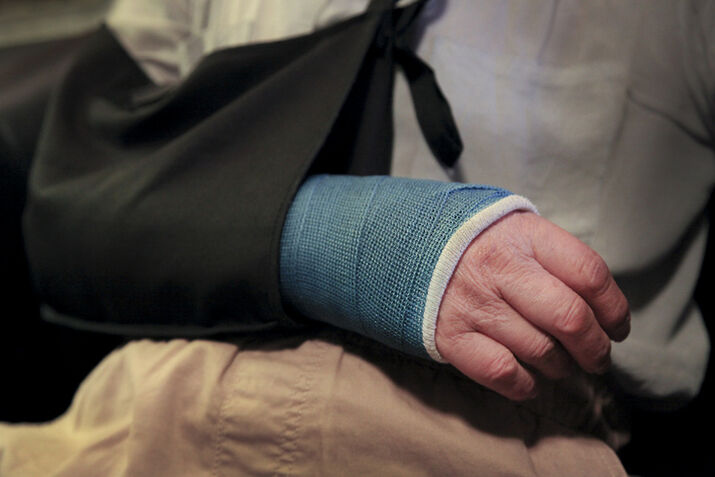
Fractures usually require immobilization. Casts and braces limit function. Surgery introduces additional recovery timelines and follow up care. Pain management becomes part of daily routine.
Recovery affects more than physical health. Time away from work reduces income. Dependence on family or friends increases. Even after bones heal, stiffness or weakness can linger.
These real world effects matter in settlement evaluation because compensation reflects how the injury changed normal life, not just what an X ray shows.
Medical Treatment and Healing Timelines for Fractures
Treatment depends on fracture type and severity. Some breaks heal with casting or splinting. Others require surgical fixation using plates, screws, or rods. Follow up imaging confirms healing progress.
Healing timelines vary. Simple fractures may heal within weeks. Complex fractures take months. Weight bearing bones require longer recovery. Physical therapy often follows immobilization to restore strength and movement.
According to the National Institutes of Health, consistent follow up care plays a key role in preventing complications and restoring function after fractures. Medical records that track healing progress also become central to settlement discussions.
What Factors Influence Settlement Value in Broken Bone Claims
Settlement value depends on several factors working together. Severity matters first. Multiple fractures, displaced breaks, and surgical cases carry higher value because they involve greater pain and longer recovery.
Treatment complexity influences outcomes. Hospital stays, surgery, and extended therapy increase costs and disruption. Recovery length matters because time away from work and daily activities affects compensation.
Long term impact also plays a role. Permanent limitations, chronic pain, or implanted hardware increase claim value. Insurers evaluate how life looked before the crash and how it changed afterward.
How Medical Records and Documentation Affect Settlement Outcomes
Medical documentation shapes fracture settlements more than almost any other factor. Imaging confirms the break. Treatment notes explain severity. Follow up visits show whether healing stayed on track.
Gaps in care weaken claims. Delayed treatment raises questions about causation. Inconsistent reporting creates doubt. Clear records establish that the fracture resulted from the crash and required sustained care.
Documentation also supports claims for pain, lost income, and long term limitations. Accurate records reduce insurer arguments and strengthen settlement positions.
What Injured People Should Do After a Manhattan Crash
After a crash, seek medical evaluation immediately if pain, swelling, or movement limits appear. Follow treatment recommendations closely and attend all follow up appointments.
Document how the injury affects work, sleep, and daily tasks. Avoid minimizing symptoms. Accurate reporting matters. Early action protects recovery and preserves evidence.
If you are facing a fracture after a crash, we can help you understand settlement factors and next steps. Acting early gives you the strongest position to pursue fair compensation while focusing on recovery.

What Sets Us Apart From The Rest?
Horn Wright, LLP is here to help you get the results you need with a team you can trust.
-
Client-Focused ApproachWe’re a client-centered, results-oriented firm. When you work with us, you can have confidence we’ll put your best interests at the forefront of your case – it’s that simple.
-
Creative & Innovative Solutions
No two cases are the same, and neither are their solutions. Our attorneys provide creative points of view to yield exemplary results.
-
Experienced Attorneys
We have a team of trusted and respected attorneys to ensure your case is matched with the best attorney possible.
-
Driven By Justice
The core of our legal practice is our commitment to obtaining justice for those who have been wronged and need a powerful voice.